

History in Motion
Animated vignettes and historical storytelling for heritage organisations,
broadcast and documentary makers.
I create short-form illustrated animation that fill the gaps where no archive footage exists: bringing historical figures, events and places to life in a bold, contemporary style.
Why it works…
We’re all wired for stories. Long before we can make
use of the written word, we make sense of the world
through pictures. Animation and illustration plays into
that same instinct.
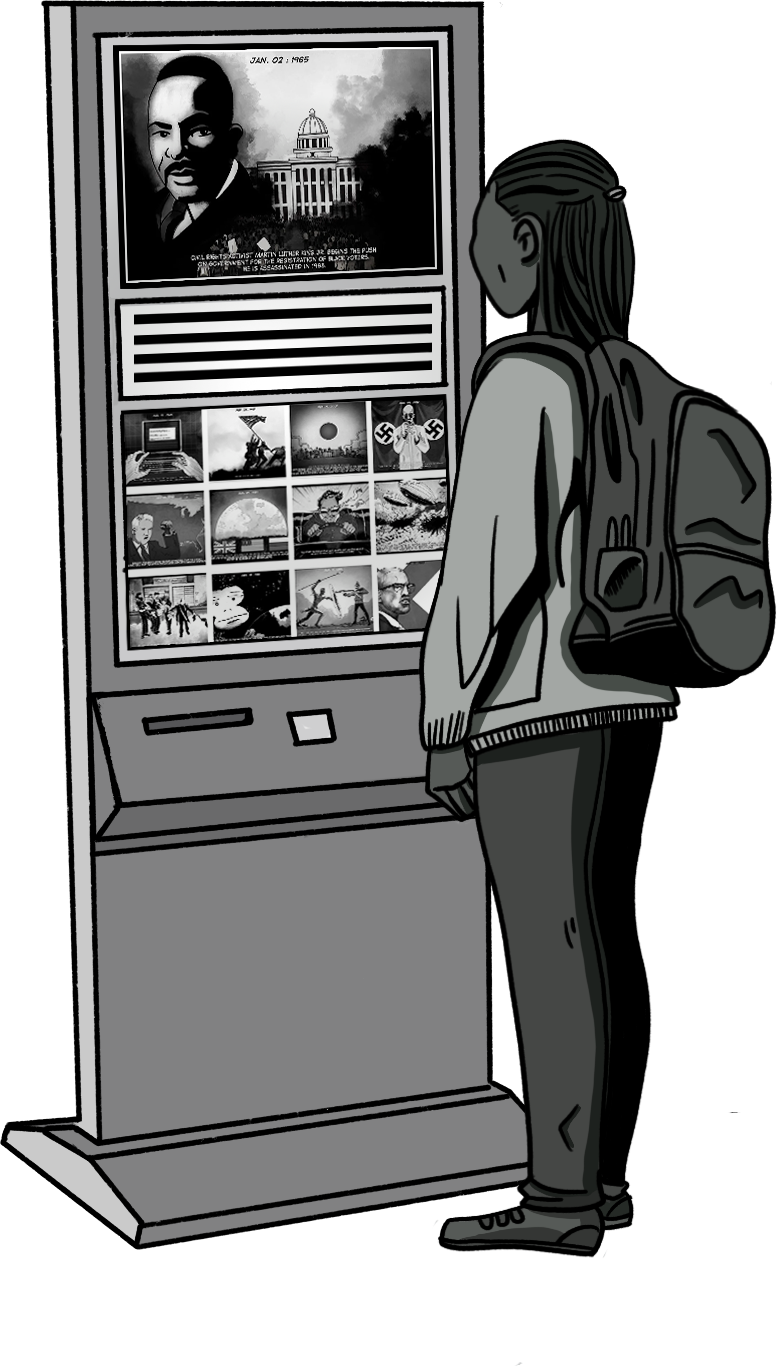
It helps kids learn by turning distant or difficult
topics into clear, colourful and easy to follow stories.

How I can help your project.
30 sec – 5 min animated sequences for use within documentary series, where archive footage doesn't exist
or needs supplementing.
10–30 sec animated shorts covering historical figures and events. Modular
and suitable for broadcast, web and
social platforms.
Commissioned standalone films
for museums, visitor centres and heritage organisations, designed
to engage audiences of all ages.
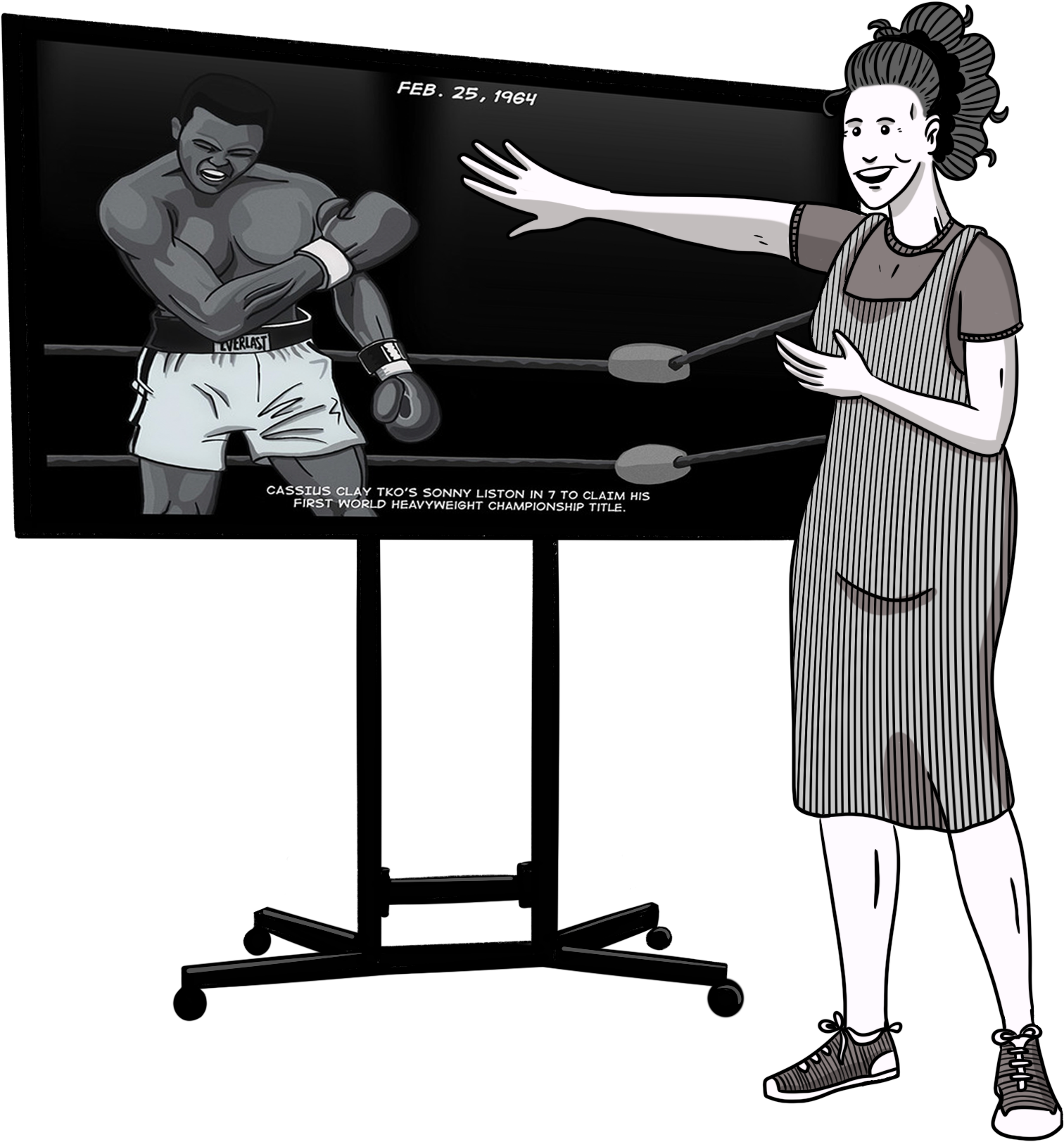

Illustration is one medium.
I can also help develop assets
like storyboards or bring motion
to other static material like photography and archive materials.
Problem solver
Animation and illustration help solve
a number of issues.
They can bridge accessibility gaps
that visitors with reading difficulties, language barriers, or cognitive differences might have.
Problems it can solve.
It also helps educational organisations
fulfil their public engagement mission,
making distant events, culture, history,
and science feel relevant, exciting,
and genuinely accessible for everyone.
Added benefits
Evergreen factual content
Youth-accessible history formats
Simple explanations of complex events
Reconstruction where no footage exists
Compelling visuals for digital platforms
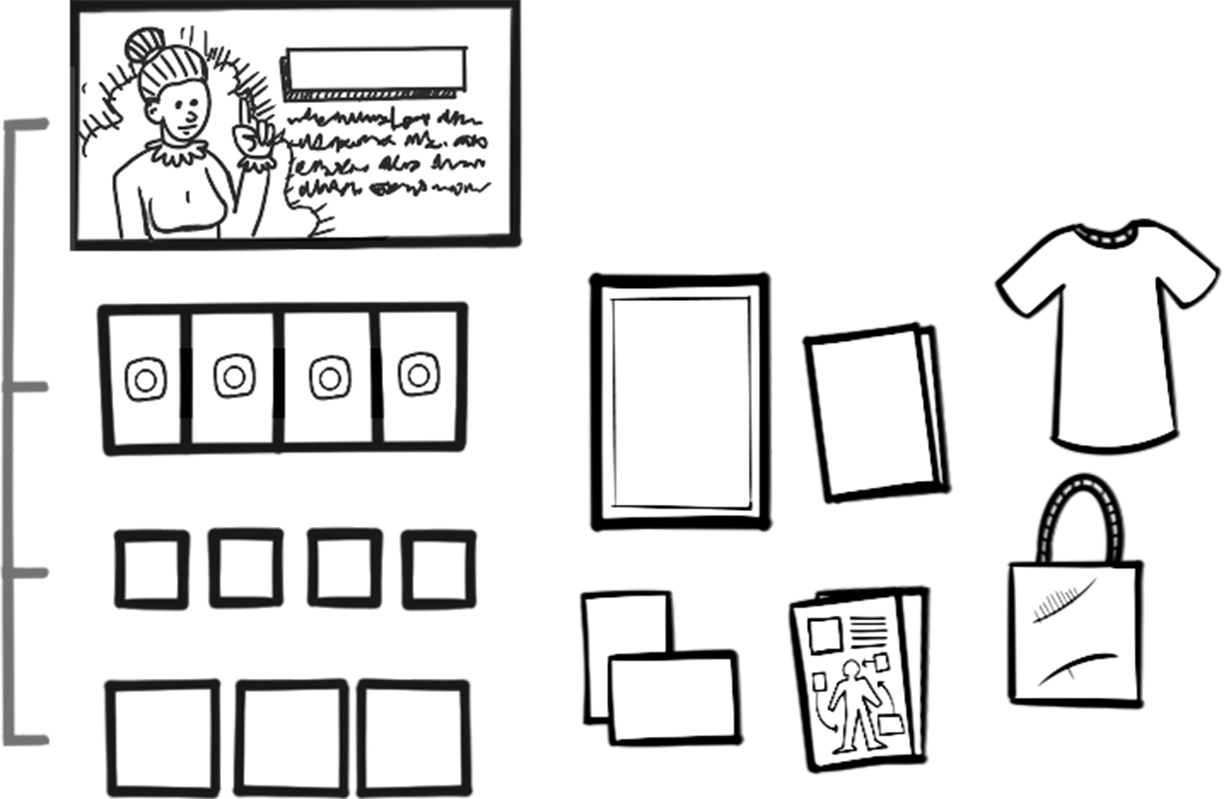
Re-use of assets
These don’t have to be one-and-done assets.
Upfront planning allows you to leverage assets created across social, print, school programmes and gallery spaces, at a fraction
of the cost. It's a great way to get more mileage from your exhibition displays, visitor attractions or other educational material. It allows your
audience to keep learning after they've seen the video.
Interested? Let’s talk.
Selected Projects

BRUNEL + THE ROYAL ALBERT BRIDGE
Animated educational film for the Bridging the Tamar Visitor
& Learning Centre. Covers the bridge's origin, construction challenges, and community impact.

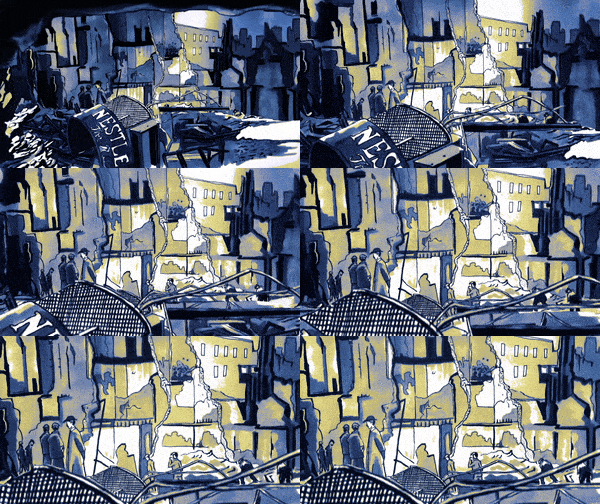
ROGER CASEMENT
Casement Report exposed the atrocities committed in King Leopold II’s private fiefdom, the Belgian Congo. It is a history that most people are unaware of.
THE EASTER RISING
Animated interactive timeline
of the Rising: the leaders, the locations, and the road to the Good Friday Agreement.
It began as a personal project and ode to James Connolly;
my great great grandfather.
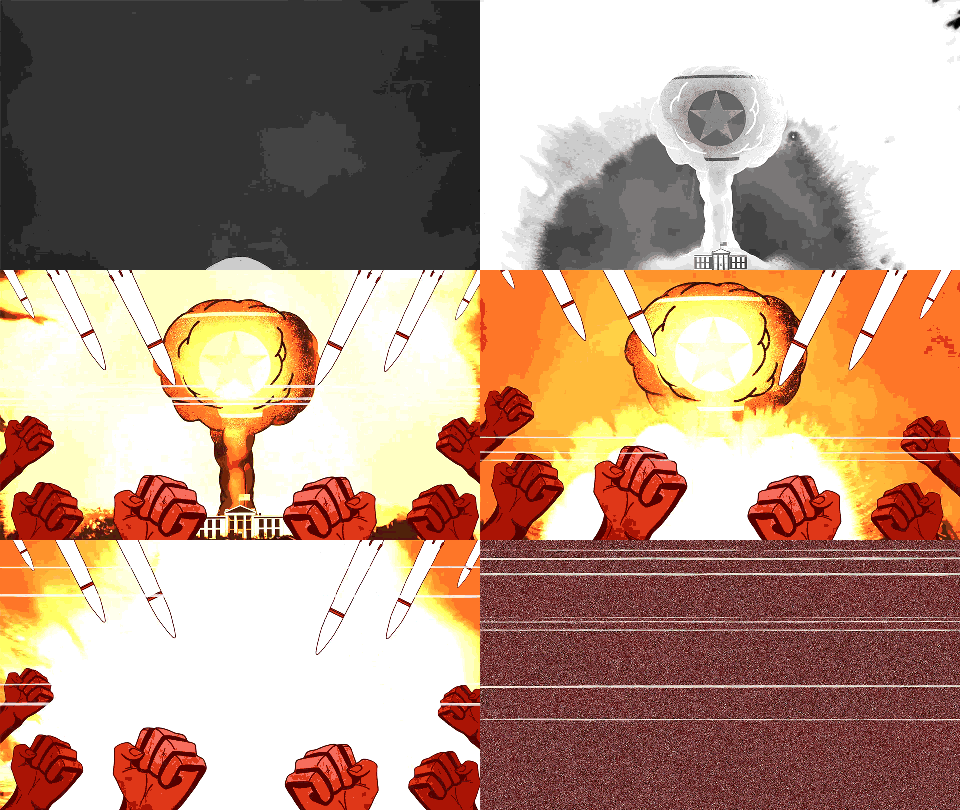
TODAY, BACK THEN
A expanding series of micro-vignettes on historical figures and events. Designed for an audience beyond Horrible Histories: factual, accessible, visually driven.
Working
Together
WHAT TO EXPECT WHEN WE WORK TOGETHER
Many times, people are unsure of what it takes to make a motion design or animation project. Well, this little rundown should give you the jist of what to expect when we start working together. I could have made this into a nice little flowchart, but where is the personality in that??
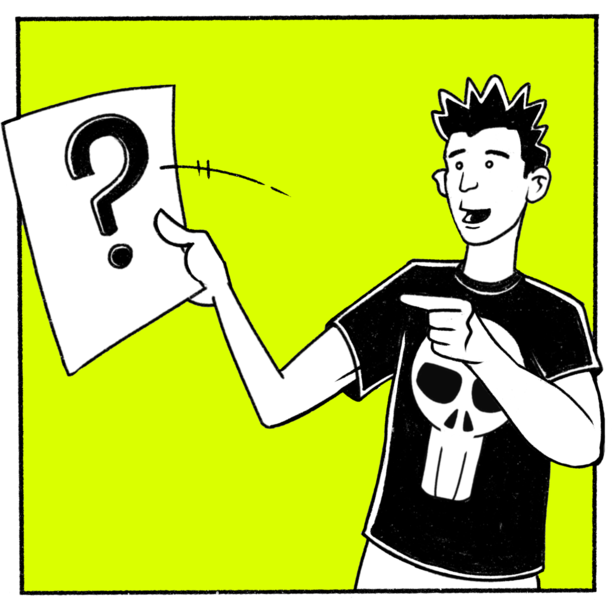
1: OVERVIEW & OBJECTIVES
It’s good to know why you need this video and
what you're hoping it achieves. Do you want to build awareness, explain something complicated, or push people toward a specific action? What's the single thing you want someone to do, think,
or feel after watching?
We'll also talk about who's actually watching: their job title, age, location, what kind of problem are they looking to solve. Budget comes into it too, not because I'm precious about numbers, but because it shapes the whole approach, from animation style to scope.
2: NAILING THE SCRIPT
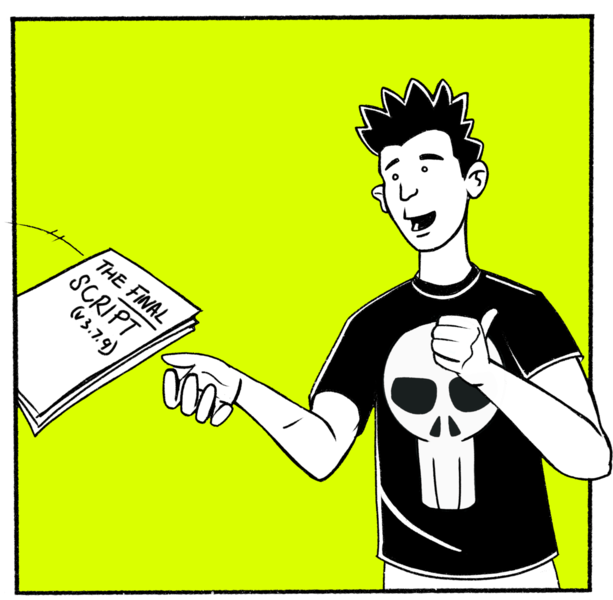
The script is the backbone of everything
that follows. Resisting the urge to put ten messages helps the viewer come away feeling they've learned something rather than missed everything. Getting this signed-off might feel like a slow step,
but it's the cheapest place in the whole process to make changes. Once animation begins, deviations from the agreed script creates a knock-on effect that costs everyone time and money later.
3: INSPIRATION / DIRECTION:
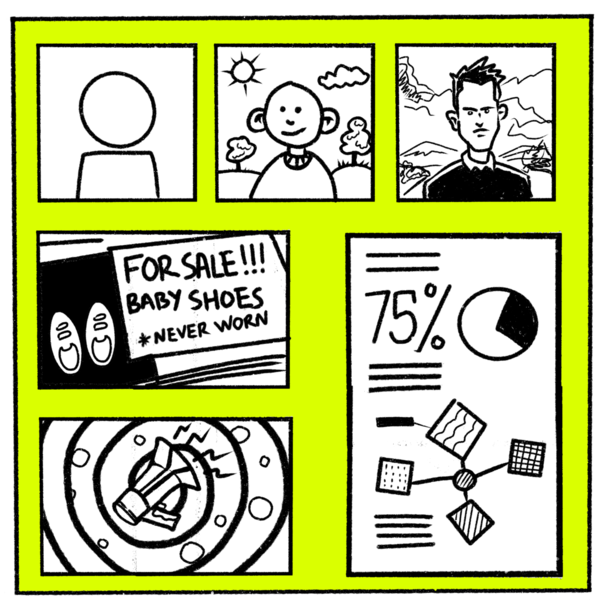
Now it's time to shape how the video will
look and feel. I pull references that speak
to your topic or audience and use them
to settle the big questions: illustration
or photography, simple or realistic,
an emotional story or a straightforward,
process-driven explainer?
From here I'll create a couple of style frames using elements from the script, send them over, gather your feedback. We refine until we land on a direction you're fully behind. This helps sets the visual language for everything that comes after.

4: STORYBOARDS:
The storyboard turns the script into something you can actually see, shot
by shot. It's where we organise the sequence, define direction and pacing, and catch problems while they're still cheap to fix. More than anything, it's the point where we find out whether the concept genuinely works, before anything gets animated.
5: BUILD PHASE:
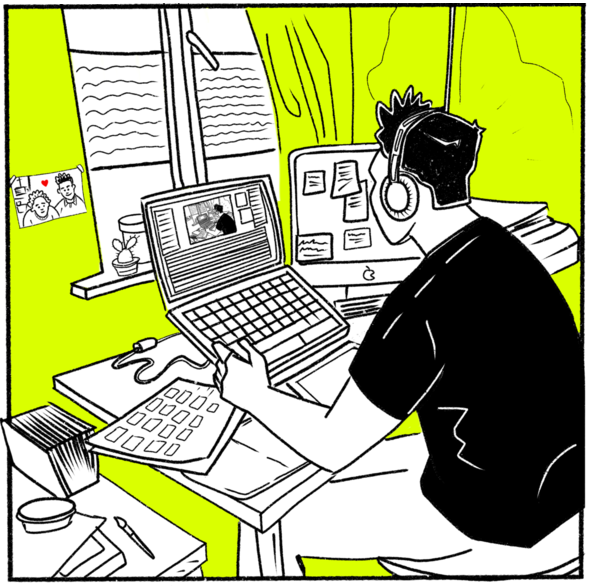
This is the question everyone asks: how long will it take? Honestly, it depends. Factors like complexity, length, timelines are all involved.
I provide a milestones breakdown with the different stages. Most projects go through an Alpha/Beta/Gold phase. As each phase lands in your inbox, I'll walk you through exactly what's finished and what's still to come before moving to the next phase
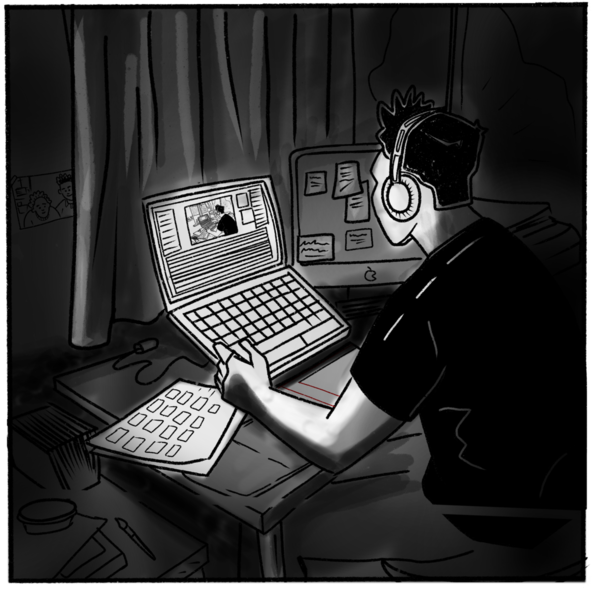
6: STILL BUILD PHASE:
Animation is an iterative process.
The second, third, even fourth pass is where the real craft happens: catching the small details, adding the minutiae, polishing until it feels right.
I'll send updated drafts along the way, explaining what's still being refined, fold in your final amends, and lock in sound design and effects.
Behind the scenes, this is also the stretch that runs on late nights and pushing through to the finish line.
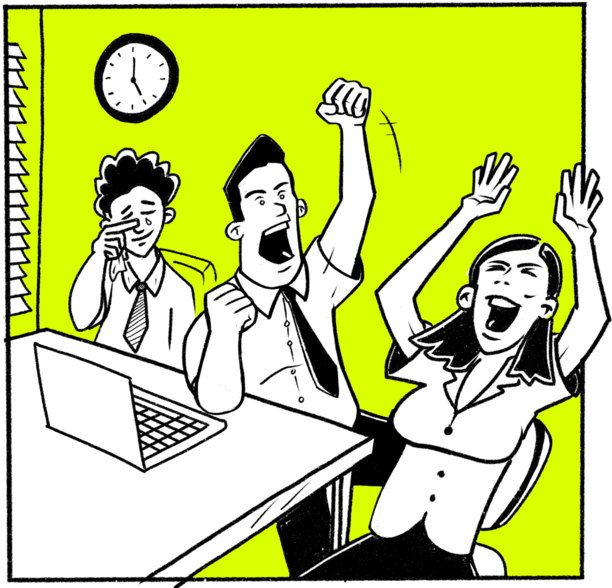
7: DELIVERY:
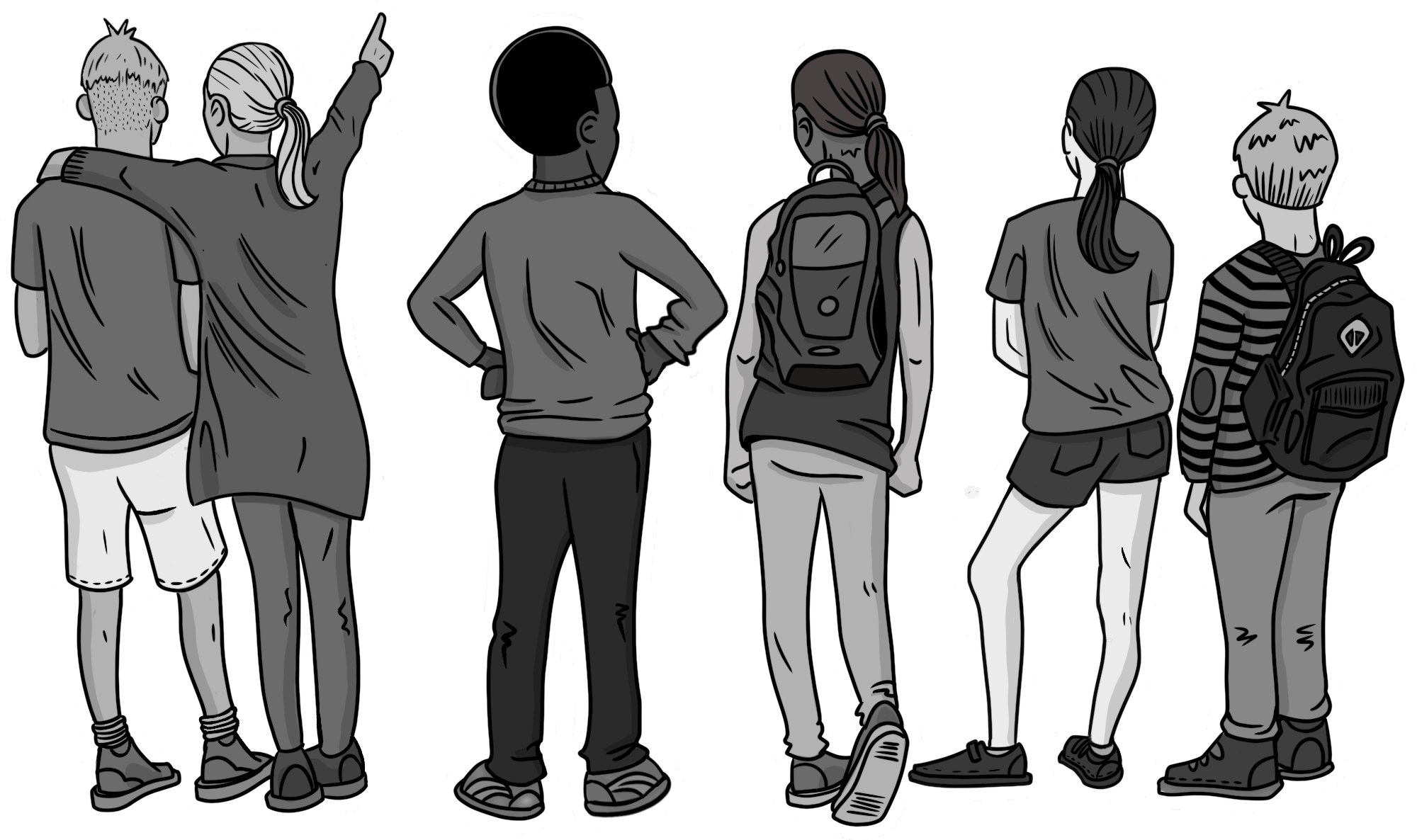
The final file gets uploaded and sent your way. Then comes the best part: your final approval.
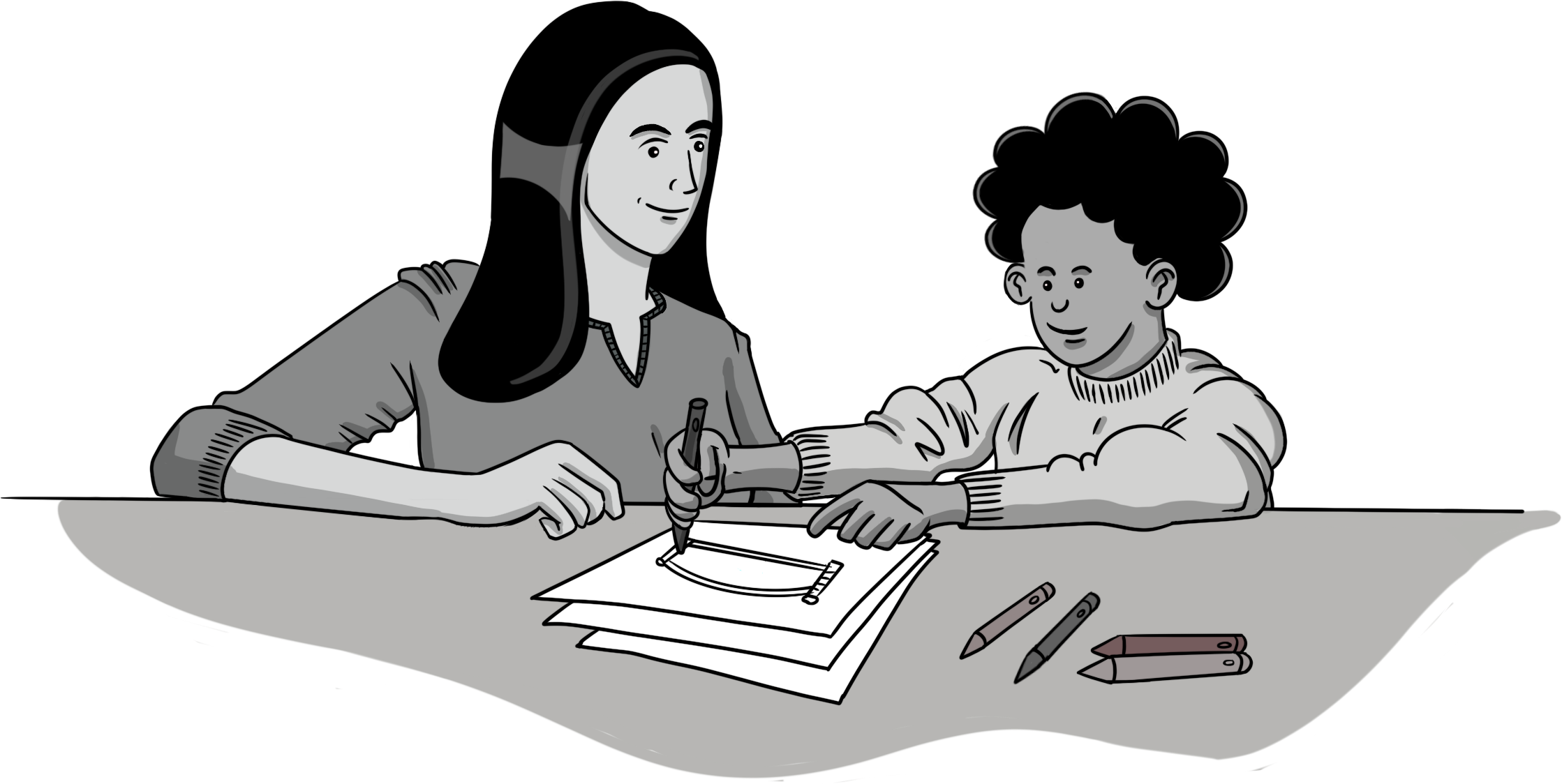
(Just look at them! They look delighted! )
I always like to, where possible, to take the opportunity to have a review of the project with
the team and hopefully earn a glowing testimonial. Once that's in, I archive the project, breathe out, and finally catch up on some well-earned sleep.